Charlotte homeowners should choose sealed crawl spaces over vented ones because the city’s humid subtropical climate makes traditional vents counterproductive for moisture control.
Why This Decision Matters in Charlotte’s Climate
Charlotte’s humid subtropical climate creates unique challenges that make the vented versus sealed crawl space decision critical for your home’s health. The city’s outdoor humidity ranges from 45-61%, with highest levels in September (Source: Noosa Pest Management). This high humidity, combined with Charlotte’s location in the Piedmont region where heavy red clay soil holds moisture against foundations, creates perfect conditions for crawl space problems (Source: CrawlSpaceCosts.com).
Traditional vented crawl spaces work against Charlotte homeowners. During warm, humid summers, outdoor air enters through foundation vents and contacts cooler crawl space surfaces, causing condensation. When relative humidity exceeds 60%, crawl spaces become breeding grounds for mold, wood rot, and pests (Source: Tar Heel Basement Systems). The stack effect then pulls this contaminated air upward into your living spaces, affecting indoor air quality throughout your home.
Most Charlotte homes built before 2000 have vented crawl spaces that need conversion to sealed systems for proper moisture control.
How Do Vented Crawl Spaces Work in Charlotte?
Vented crawl spaces rely on outside air circulation, but this approach fails in Charlotte’s humid climate conditions.
Traditional vented crawl spaces include foundation wall openings designed to allow air circulation. North Carolina Building Code requires minimum 1 square foot of ventilation per 150 square feet of crawl space area for vented systems (Source: North Carolina Office of State Fire Marshal). The theory suggests that airflow prevents moisture buildup by carrying humid air away from the space.
However, this approach backfires in Charlotte’s climate. Warm, humid outdoor air enters through vents and immediately contacts cooler surfaces like ductwork, pipes, and floor joists. This temperature difference causes condensation, creating the exact moisture problems venting was supposed to prevent. Charlotte’s summers prompt increased air conditioning use, which cools crawl space surfaces even more, making condensation worse (Source: Crawl Space Brothers).
The result is persistently high humidity levels that promote mold growth and structural damage despite having “proper” ventilation according to outdated building practices.
Why Are Sealed Crawl Spaces Better for Charlotte Homes?
Sealed crawl spaces control moisture by eliminating outdoor air infiltration and conditioning the space like an indoor environment.
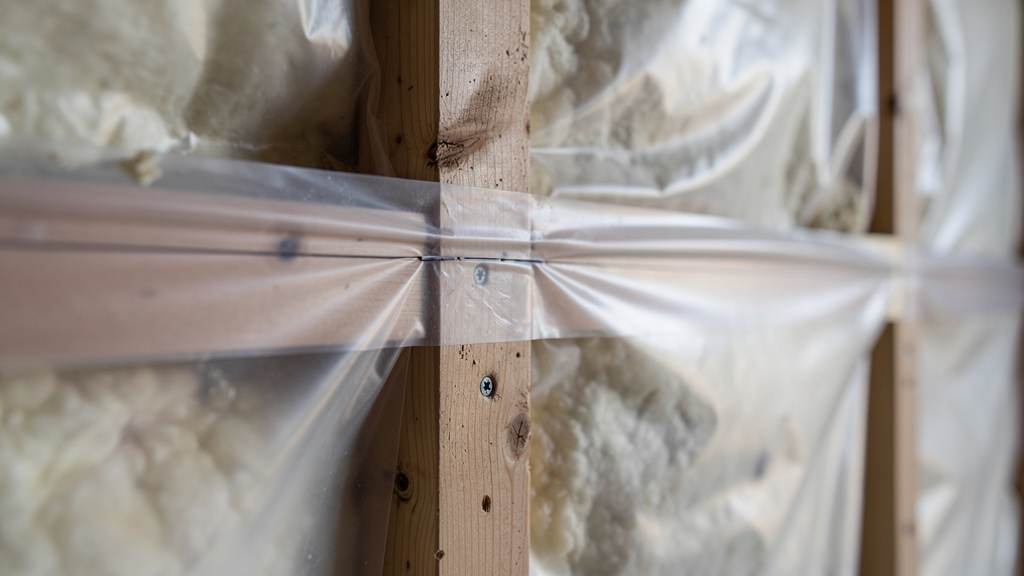
Sealed crawl spaces eliminate foundation wall vents entirely, which are specifically prohibited in closed crawl space systems under North Carolina code (Source: North Carolina Office of State Fire Marshal). Instead of relying on outdoor air circulation, sealed systems create a controlled environment using vapor barriers, air sealing, and mechanical dehumidification.
This approach works better in Charlotte because it prevents humid outdoor air from entering the space. Professional-grade crawl space dehumidifiers maintain humidity levels between 45-55%, well below the 60% threshold where mold and wood rot begin (Source: Dry Pro Foundation and Crawlspace Specialists). High-quality 20-mil vapor barriers recommended for humid areas like Charlotte provide superior moisture protection compared to basic ventilation (Source: Dry Pro Foundation and Crawlspace Specialists).
Sealed systems also improve energy efficiency by reducing the load on your HVAC system and preventing conditioned air from escaping through the crawl space.
What Does Converting from Vented to Sealed Cost in Charlotte?
Converting from vented to sealed crawl space costs $5,100 on average in Charlotte, ranging from $2,300 to $12,800 depending on your home’s specific needs.
Basic conversion includes sealing existing foundation vents, installing vapor barriers on floors and walls, and adding a commercial-grade dehumidifier. Charlotte crawl space encapsulation costs average $5,100, which is about 7% below national averages (Source: CrawlSpaceCosts.com). However, complete systems including mold removal, drainage systems, and structural repairs range from $13,000 to $20,000 or more (Source: GSM Services).
Additional costs often arise from Charlotte’s challenging conditions. Clay soil frequently causes foundation settling requiring sister joist repairs at $100 to $300 per joist. Standing water necessitates sump pump installation, and many homes need mold remediation before encapsulation begins. Commercial-grade crawl space dehumidifiers require maintenance three times per year to function properly in Charlotte’s climate (Source: Noosa Pest Management).
Projects requiring electrical work for dehumidifiers or HVAC modifications need permits, which your contractor should handle during the conversion process.
Do I Need Permits to Convert My Charlotte Crawl Space?
Yes, converting from vented to sealed crawl space always requires a permit in Charlotte regardless of project cost because it modifies your home’s ventilation system.
North Carolina requires permits for converting conventional crawl spaces to closed crawl spaces regardless of cost (Source: North Carolina Office of State Fire Marshal). This differs from other crawl space work, where projects under $40,000 typically don’t need permits unless they involve HVAC, electrical, or mechanical changes. Single permits cover building, mechanical, and applicable electrical inspections for crawl space conversions.
The permit process ensures your conversion meets current building codes for closed crawl space systems. Closed crawl spaces must minimize outdoor air entry and require mechanical moisture control through one of five approved methods (Source: North Carolina Office of State Fire Marshal). Your contractor should handle permit applications, which typically add 1-2 weeks to project timelines but guarantee code compliance.
Working without permits can create problems during home sales and may void insurance coverage if moisture damage occurs later.
How Do I Know Which System My Home Currently Has?
Most Charlotte homes built before 2000 have vented crawl spaces, while newer construction may have sealed systems depending on builder preferences.
Vented crawl spaces have rectangular or circular openings in foundation walls, typically covered with metal screens or louvers. You’ll see these vents spaced around your home’s perimeter, usually 18 inches or more off the ground. Inside the crawl space, you’ll notice outdoor air movement, temperature fluctuations, and often higher humidity levels that feel similar to outdoor conditions.
Sealed crawl spaces have no foundation wall vents and feel more like indoor environments. The space should have vapor barriers covering soil and walls, with sealed penetrations around pipes and ductwork. A dehumidifier maintains consistent humidity levels, and the air feels drier and more controlled than outdoor conditions.
If you’re unsure about your system type, professional inspection can identify your current setup and recommend improvements. Many crawl space moisture control problems stem from improperly functioning vented systems in Charlotte’s humid climate.
When Should I Call a Professional for Crawl Space Evaluation?
Call a professional immediately if you notice musty odors, visible mold, soft flooring, or standing water in your crawl space.
Professional evaluation is essential because moisture problems have complex causes that require specialized knowledge to diagnose correctly. What appears to be a simple ventilation issue often involves drainage problems, structural damage, or mold remediation that untrained eyes miss. Charlotte’s clay soil and high humidity create conditions where improper DIY solutions can trap moisture and worsen existing problems.
Licensed contractors understand North Carolina building codes, carry insurance, and warranty their work. They have access to commercial-grade equipment and know proper sizing for Charlotte’s specific climate conditions. Most reputable contractors offer free inspections during spring when moisture problems are most visible after winter freeze-thaw cycles.
Don’t wait if you notice warning signs. Charlotte homeowners facing crawl space flooding often discover that early intervention costs significantly less than major remediation projects.
What Charlotte Homeowners Should Do Next
Start by scheduling professional crawl space inspections from at least three licensed contractors to understand your current system and conversion needs.
Most reputable Charlotte contractors offer free inspections and written estimates comparing your current vented system to sealed alternatives. Ask specifically about warranty coverage, material specifications, permit requirements, and maintenance schedules for dehumidifiers. Request detailed cost breakdowns that separate materials, labor, permits, and potential additional work like structural repairs or mold remediation.
Schedule inspections during spring or early summer when humidity levels make moisture problems most apparent. Compare recommendations carefully, as some contractors may suggest unnecessary work while others might miss important issues. Look for contractors familiar with Charlotte’s clay soil conditions and local building codes.
Consider complete crawl space encapsulation if your inspection reveals significant moisture damage, as piecemeal solutions often fail in Charlotte’s challenging climate conditions.
FAQ
Q: Can I just seal my existing vents instead of full encapsulation?
Sealing vents without proper moisture control creates worse problems by trapping humidity inside.
Q: How long does converting from vented to sealed take?
Most conversions take 3-5 days depending on repairs needed and permit processing time.
Q: Will sealed crawl space lower my energy bills in Charlotte?
Yes, properly sealed systems reduce HVAC workload and typically lower bills 10-20%.
Q: Do sealed crawl spaces need maintenance?
Yes, dehumidifiers require filter changes and maintenance three times per year minimum.
Q: Can I convert my crawl space myself?
No, permit requirements and technical complexity make professional installation necessary for code compliance.
Sources
- North Carolina Office of State Fire Marshal: 2018 North Carolina State Building Code
- North Carolina Office of State Fire Marshal: Permit Required for Closed Crawl Space
- CrawlSpaceCosts.com: Crawl Space Cost in Charlotte NC
- GSM Services: Crawl Space Encapsulation Cost Charlotte & Gastonia
- Noosa Pest Management: Crawl Space Dehumidification Services Charlotte
- Tar Heel Basement Systems: North Carolina Climate and Crawl Space Humidity
- Dry Pro Foundation and Crawlspace Specialists: Managing Crawl Space Humidity in Charlotte
- Crawl Space Brothers: Addressing High Humidity in Charlotte
CrawlClear helps Charlotte homeowners connect with qualified crawl space professionals who understand the transition from vented to sealed systems. Their network of licensed contractors provides comprehensive evaluations and handles permit requirements for crawl space conversions throughout the Charlotte metro area.